
How to Learn Drums Without a Drum Set
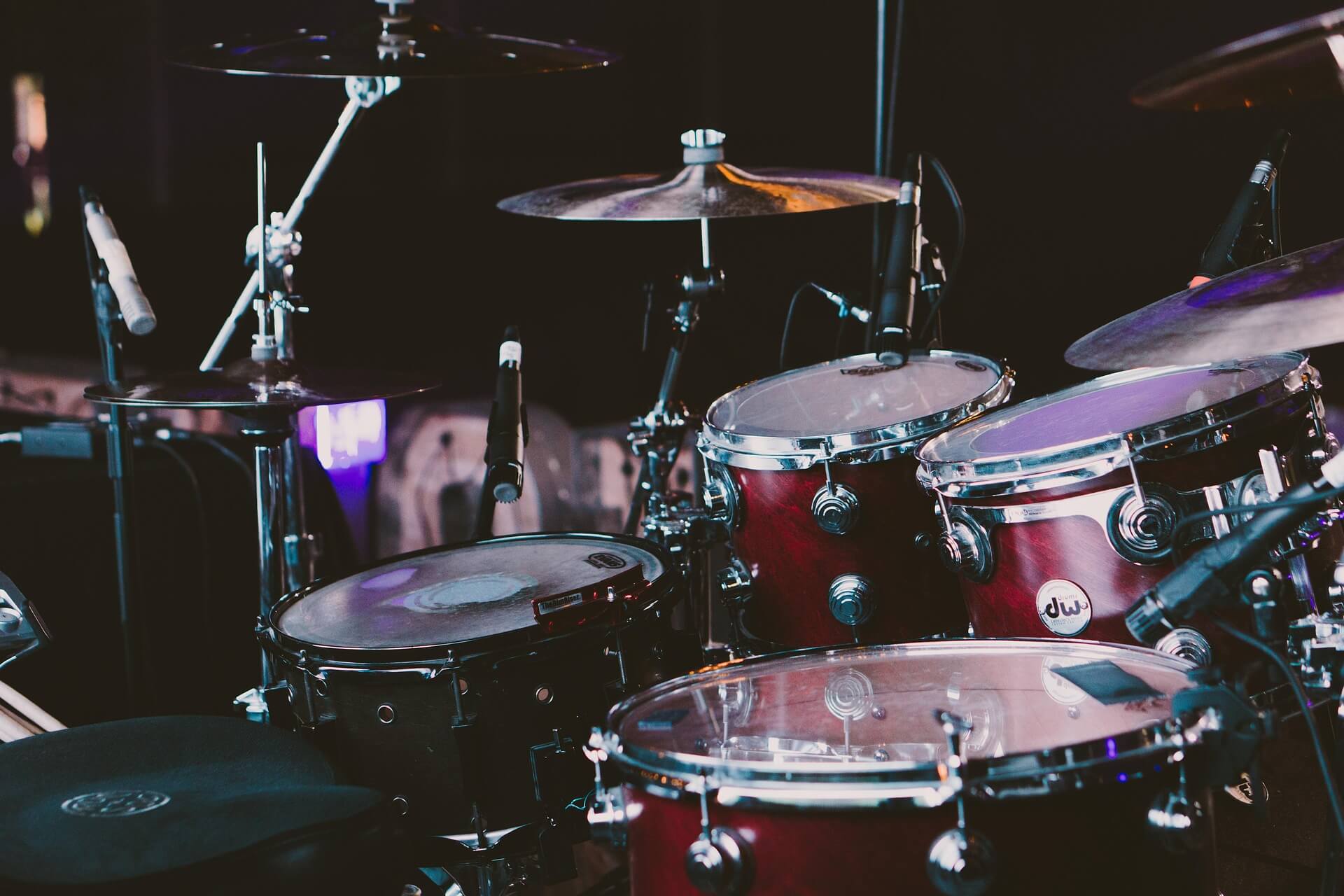
So, you want to learn how to play the drums, but you don’t have a full acoustic kit taking up half your room or a set of noise tolerant neighbors. I get it. The sheer size, volume, and price tag of a drum set keep thousands of aspiring drummers stuck on the sidelines.
Here is the secret that professional drummers won’t always tell you: You do not need a drum set to build 80% of your core drumming skills.
In fact, spending your first few weeks away from a loud kit actually makes you a better musician because you are forced to focus on timing, stick control, and limb independence instead of just making noise. Let us walk through how to build real drum skills at home without spending a fortune.
Phase 1: Master the Sticks (Your $15 Investment)
If you buy only one thing, buy a standard pair of 5A wooden drumsticks and a basic practice pad.
A practice pad gives you realistic rebound, meaning the stick bounces back just like it would on a real snare drum. This rebound is what allows you to learn proper wrist motion and finger control.
The Pillow Trick vs The Practice Pad
-
The Practice Pad: Replicates a real drumhead. Use this to practice your speed, double strokes, and accent patterns.
-
The Sofa or Pillow: Pillows have zero rebound. When you strike a pillow, your wrist has to pull the stick back up manually. Spending 10 minutes a day practicing rudiments on a sofa cushion will build monster forearm and wrist strength!
Pro-tip: Balance both! Use the pad for speed and bounce technique, and use a pillow for strength.
Phase 2: Building Limb Independence (Without Moving an Inch)
Drumming is essentially four way coordination: your left hand, right hand, right foot, and left foot doing different things at the same time. You don’t need pedals to train this. You just need your lap and the floor.
Try this simple exercise sitting in a regular chair:
-
Right Hand: Tap steady 8th notes on your right thigh (1-and-2-and-3-and-4-and).
-
Left Hand: Tap your left thigh on beats 2 and 4 (this is your “snare drum”).
-
Right Foot: Tap your heel or ball of the foot on the floor on beats 1 and 3 (this is your “bass drum”).
It will feel clumsy at first. Your brain will want your hand and foot to move together. That is completely normal! Take a breather, slow it down to a snail’s pace, and let your muscle memory catch up. Once it clicks, you are officially playing a basic rock beat!
Phase 3: The Metronome is Your Best Friend
A drummer’s single most important job isn’t playing fast, it is keeping steady time.
Download a free metronome app on your phone. Whenever you practice your hand rudiments or lap patterns, set the metronome to 60 or 70 BPM (beats per minute). Playing slow, crisp, perfectly timed hits on a desk or pad will put you miles ahead of people who just thrash wildly on a real kit without rhythm.
For a step-by-step visual demonstration on how to practice stick control, grips, and basic beats on a practice pad, check out this excellent Drumming Without a Drum Kit Tutorial which walks you through essential beginner hand mechanics.
3 Golden Rules for No Kit Practice
-
Practice Daily in Short Bursts: 15 minutes of daily practice on a pad beats a 2 hour session once a week every single time.
-
Watch Your Grip: Don’t squeeze the stick like a hammer. Let it rest in the fulcrum between your thumb and index finger, allowing the rest of your fingers to control the bounce.
-
Active Listening: Listen to your favorite songs and mentally isolate the drum track. Tap your foot to the bass drum line and air-drum the snare fills.
Frequently Asked Questions
Q1: Can you actually get good at drums without a kit?
Yes! Many elite drummers do most of their technical practice on pads and lap setups. When you eventually transition to an acoustic or electronic kit, you will already have the stick control, coordination, and timing down.
Q2: What drumsticks should a beginner buy first?
A standard pair of 5A wood tip drumsticks (brands like Vic Firth, Promark, or Vater) is the perfect medium weight and length for beginners.
Q3: Is air drumming actually useful for practice?
Yes, but only if you use it for limb independence and song structure rather than speed. Since air gives no physical feedback, combine air drumming with a click track or music to keep your timing sharp.
Q4: What is the cheapest alternative to a real drum set?
A $20 rubber practice pad paired with a pair of sticks. If you want foot pedal feedback without a full kit, you can also look into tabletop drum pads or practice kick pads.